
Introduction
Saudi Arabia has embarked on a major transformation of its tax administration system by introducing electronic invoicing. The shift from traditional paper invoices to electronic billing is a crucial step aimed at improving efficiency, transparency, and compliance within the tax system. This article explores the impact of electronic invoicing on tax compliance in Saudi Arabia, examining its benefits, the regulatory framework, and the challenges companies may face during this transition.
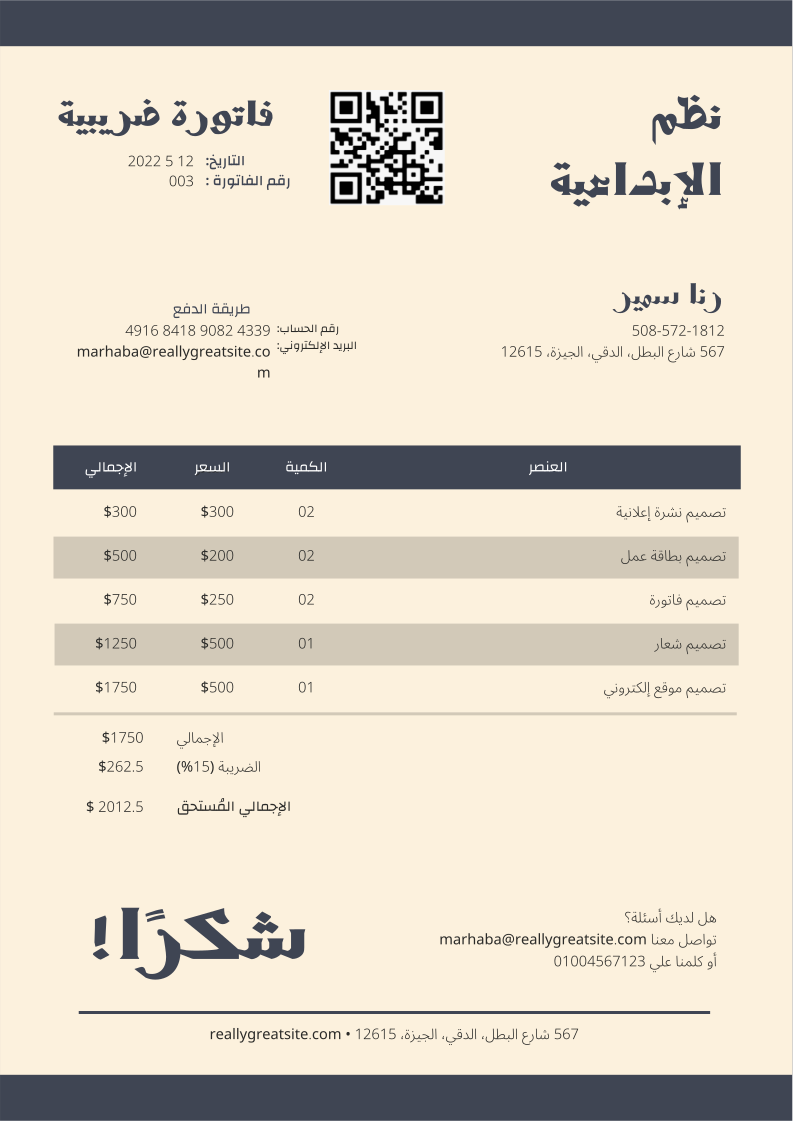
The concept of electronic invoices
Electronic invoices refer to the process of creating and sending invoices digitally. Unlike traditional paper invoices, electronic invoices are created, sent, and received electronically. This process includes issuing invoices, storing them, and transferring them via digital means, ensuring a smooth and error-free exchange.
Saudi electronic invoice
In December 2020, the General Authority for Zakat and Income (GAZT), now known as the Zakat, Tax, and Customs Authority ZATCA, announced the mandate for electronic invoicing, making it mandatory for businesses to use this system. Implementation was planned in two phases:
Phase 1: Creation and Archiving (from December 4, 2021) – Companies were required to create invoices electronically and store them using electronic invoicing systems, with the ability to issue and receive electronic invoices.
Phase 2: Integration (from January 1, 2023) – This phase involves integrating electronic invoicing systems with the Central Platform of the Zakat, Tax, and Customs Authority to enable real-time transfer of invoice data for verification and to ensure compliance.
Benefits of electronic billing
1. Enhancing tax compliance
Electronic invoices ensure greater accuracy in reporting transactions. By reducing manual errors and enabling real-time data sharing with tax authorities, they enhance compliance with VAT regulations. This reduces the risks of tax evasion and fraud.
2. Operational Efficiency
Switching to electronic invoicing reduces the administrative tasks associated with paper invoices, such as storage and retrieval costs. It simplifies the invoice issuance process, thereby speeding up turnaround times, and improves cash flow management by accelerating electronic billing procedures.
3. Environmental Impact
Electronic invoices contribute to sustainability by reducing paper consumption and the associated carbon footprint. This aligns with global efforts to promote environmentally friendly business practices.
4. Data transparency
By providing a digital record of all transactions, electronic invoices enhance data transparency and traceability. This facilitates better financial oversight and enables more accurate auditing options.
Regulatory framework
The introduction of electronic invoicing in Saudi Arabia is governed by specific regulations set by the Zakat, Tax, and Customs Authority. These regulations require all taxpaying entities to use electronic invoicing and include the following requirements:
Invoice format: Electronic invoices must adhere to a structured format (XML or PDF/A-3) as defined by the authority.
Electronic signatures: Invoices must be digitally signed to ensure authenticity and integrity.
Archiving: Companies must store electronic invoices electronically for a specified period in accordance with regulatory requirements.
Integration: Starting from phase two, companies must integrate their electronic billing systems with the authority’s platform to enable real-time sharing of billing data.
Challenges
1. Technical integration
Integrating existing financial systems with electronic billing solutions can be complex, especially for companies with outdated systems. Ensuring compatibility and smooth data exchange between systems is crucial for effective implementation.
2. Compliance costs
While electronic invoicing offers long-term benefits, the initial setup, including purchasing or upgrading software and training staff, can involve significant costs. Small and medium-sized enterprises (SMEs) may find these costs challenging.
3. Data Security
Like any digital system, electronic billing raises concerns about data security and privacy. Companies must implement strong cybersecurity measures to protect sensitive financial information from unauthorized access or breaches.
4. Change Management
Moving to electronic billing requires a cultural shift within organizations. Employees must be trained to adapt to new systems and workflows, which may involve resistance and a learning curve.
Conclusion
The adoption of electronic invoicing in Saudi Arabia represents a significant step toward modernizing the country’s tax administration system. By enhancing compliance, operational efficiency, and data transparency, electronic invoicing aligns with global best practices and Saudi Arabia’s vision for a digital economy. Although challenges remain in terms of technical integration, compliance costs, and change management, the long-term benefits of electronic invoicing are expected to outweigh these obstacles, paving the way for a smoother and more transparent tax environment in Saudi Arabia.